BeePeeking
  • Blog
  • Portfolio
  • Biodiversity
  • Biophilia
  • Go Organic
  • About
  • Vision
  • Resources

Summer Reading

8/7/2016

0 Comments

 
Picture
Picture
Picture
Picture
Picture
Picture
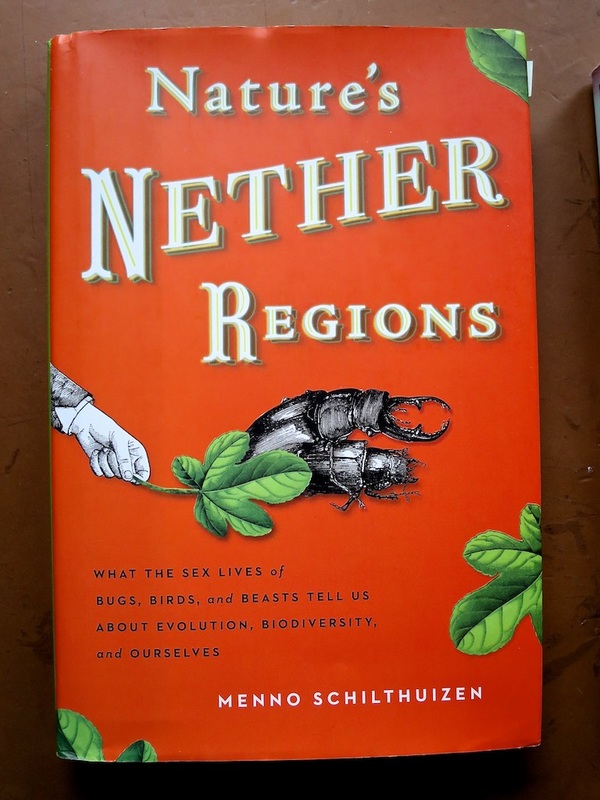
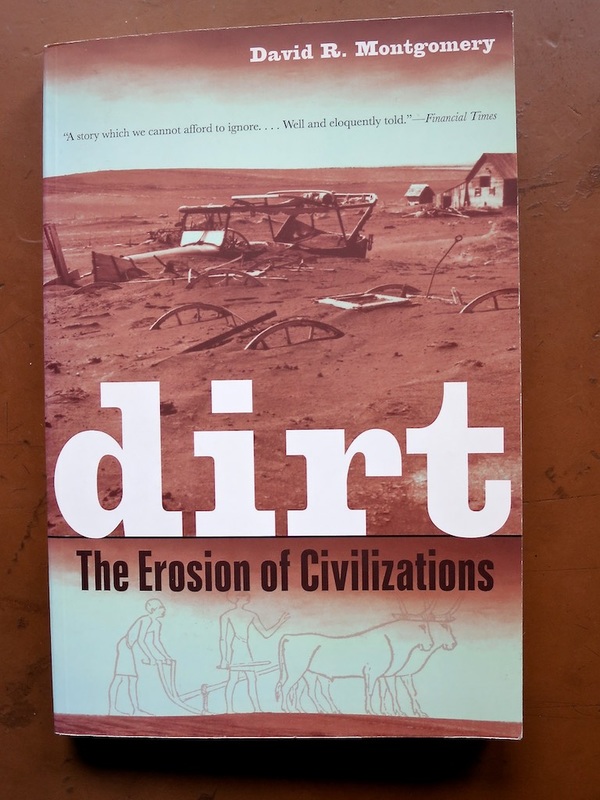
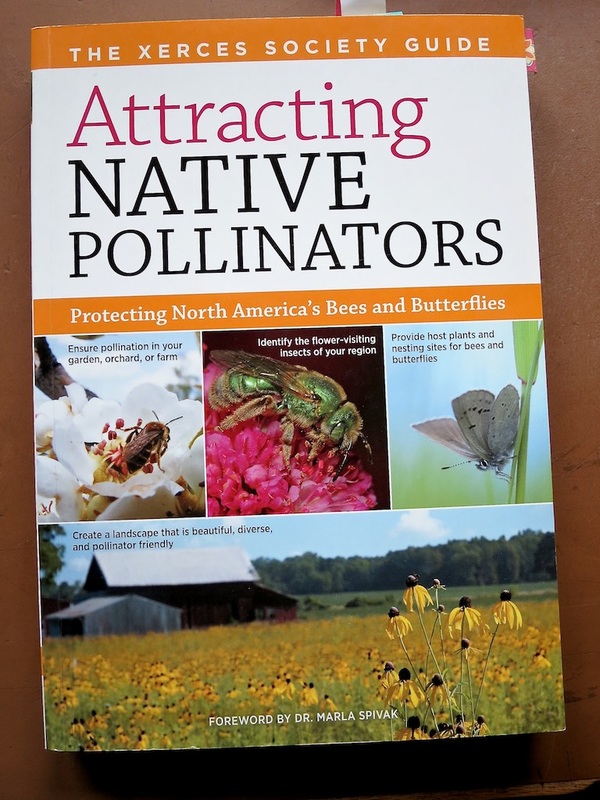
A little something for everyone:
Nature's Nether Regions, 
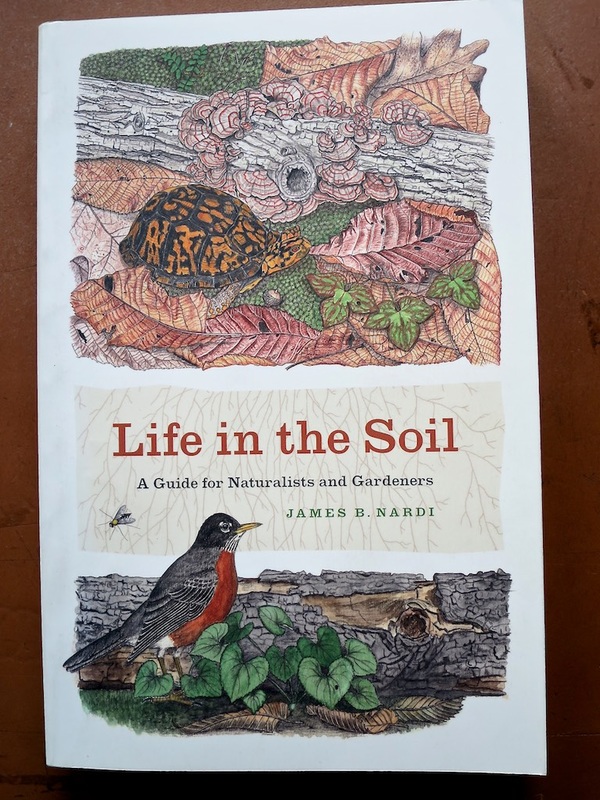
Life in the Soil,
dirt: the erosion of civilization
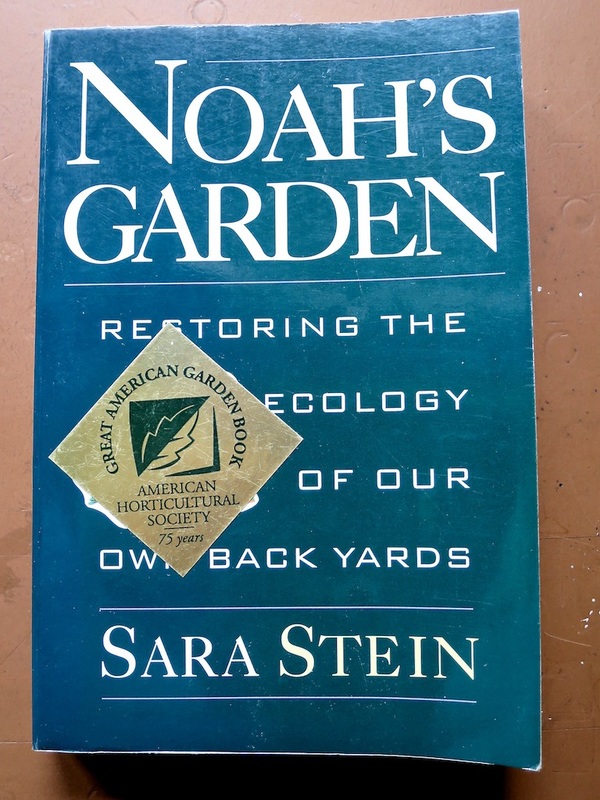
Noah's Garden
Attracting Native Pollinators
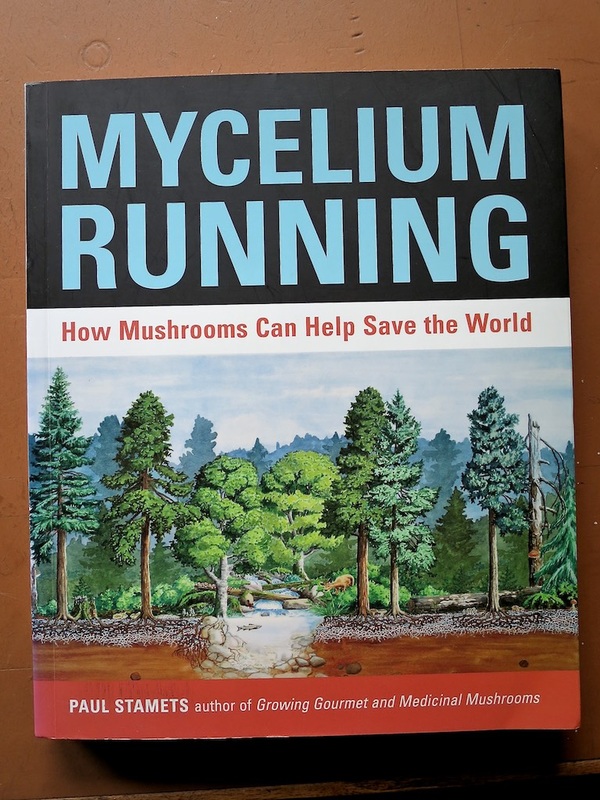
Mycelium Running
0 Comments

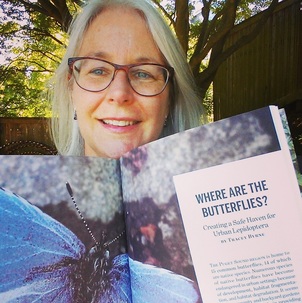
Where Are the Butterflies?

7/2/2015

0 Comments

 
Picture
"Creating a Safe Haven for Urban Lepidoptera"

The summer issue of Pacific Horticulture arrived yesterday and it was exciting to see my work as a feature article! 

I was especially honored to appear in print alongside landscape architect and Berkeley professor Russell Beatty, with the reprint of his prescient 1977 essay on the Browning of the Greensward.

Enjoy this issue~it is bursting with information, insight, and lovely photography :^)
0 Comments

Soil Carbon Sequestration= Good Summer Read

6/17/2015

0 Comments

 
Picture
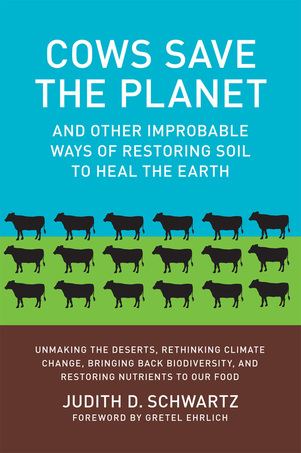
"Cows Save the Planet" was my first read of summer, and I have to say, if you are unfamiliar with the term "soil carbon sequestration" (as I was), this book was truly fascinating.

In a nutshell, Schwartz interviews an eclectic group of farmers, ranchers, researchers, scientists, activists, and environmentalists, and presents a compelling case that proper soil management can end escalating worldwide desertification, improve soil fertility, preserve biodiversity, reduce obesity, and halt climate change.  From Australian soil carbon sequestration diva Christine Jones, who  explains the secrets of how we can save our planet by rebuilding our soil; to Allan Savory, a Zimbabwean ecologist, farmer, environmentalist, who promotes systems thinking; to Gene Govin, a North Dakota farmer who practices Savoy's Holistic Planned Grazing; to the four Slovakians and one Czech who have written about the New Water Paradigm...I am really excited to get my hands dirty!
and, for those of you who want to know more right now...I have two movies for you.  Enjoy~
0 Comments

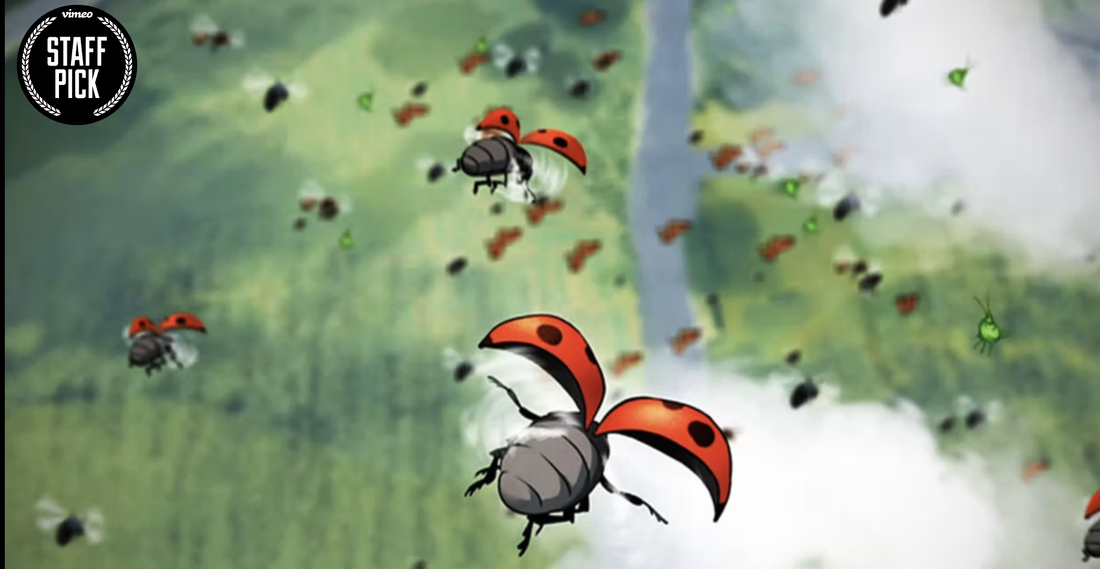
Look Up! The Billion-Bug Highway

6/10/2015

0 Comments

 
The Invisible Highway on Vimeo
Picture
Any guesses on which insect has made it as high as 19,000 feet (Mt Logan in Washington)? or who regularly travels at 14,000 ft? or how many bugs are stacked over your head on a summer day?

Picture
*Arthropods are the most diverse life form on the planet.

*There are over 970,000 known species-out of an estimated 4 to 5 million.

*Of the 1.9 million recognized species, over ½ are insects!!!
The other ½ of lifeforms/species include non-insect arthropods, other invertebrates, plants, fungi & lichen (and finally) vertebrates.

*It is estimated that arthropods outnumber humans by as much as 250 million to 1.

Did you know? only 1% (about 10,000 species) of known insects are considered pests.

0 Comments

Bumble bee or Honey Bee?

5/24/2015

1 Comment

 
Picture
Picture
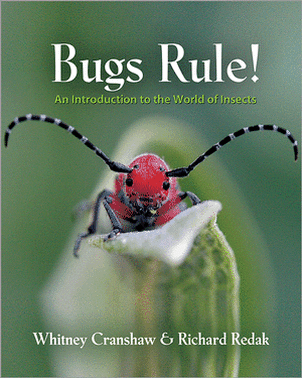
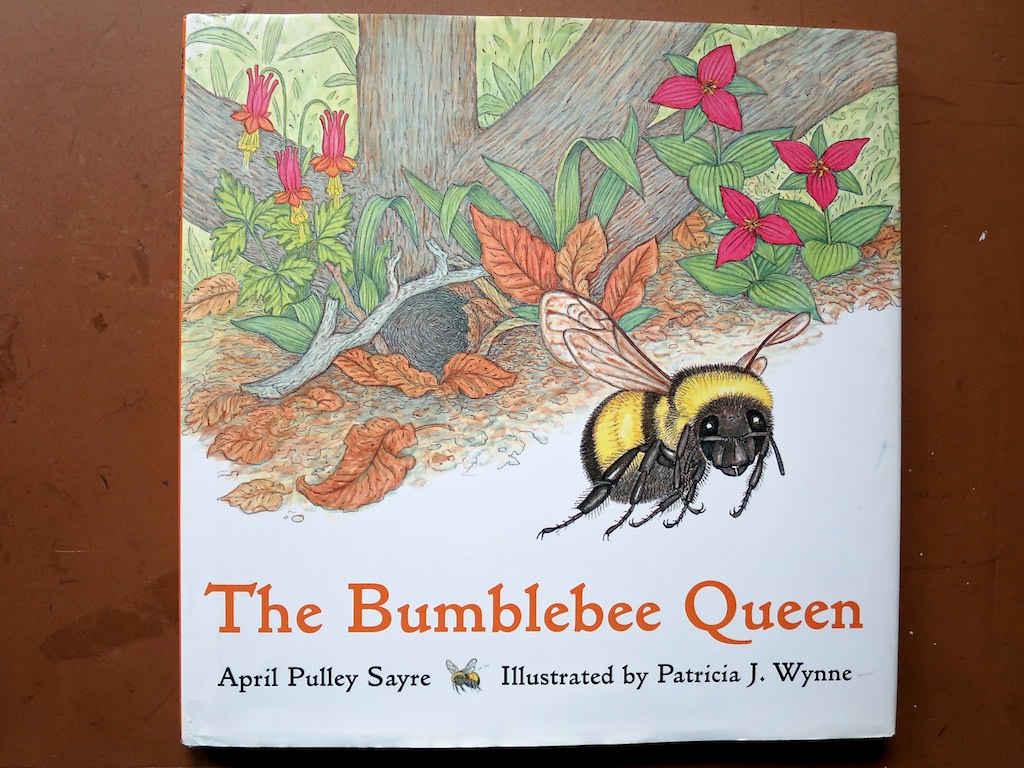
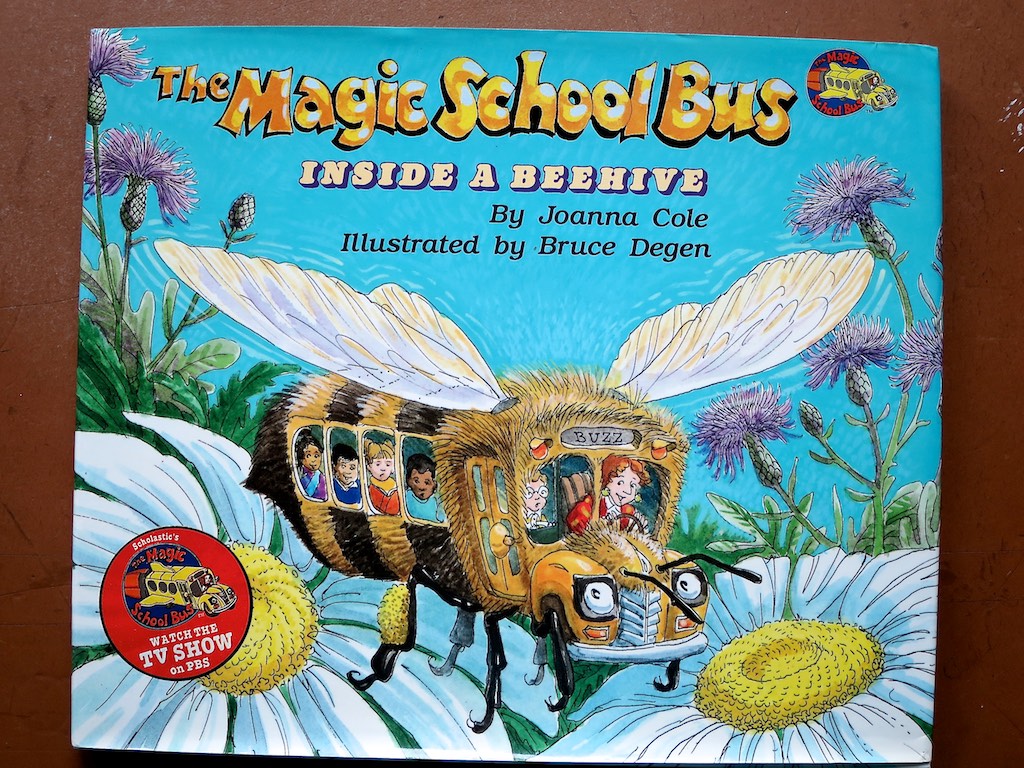
How do you tell the difference between a honey bee and a bumble bee? Two of my favorite children's books will turn you into the neighborhood expert:

The "Bumblebee Queen", by April Sayre,  is a simple and elegantly told story of the life cycle of the bumblebee. Patricia Wynne's illustrations are lovely, thoughtful, and accurate.

Are you a fan of Ms. Frizzle and her Magic School Bus? If you join Ms. Frizzle and her class to take a trip "Inside a Beehive", you will be amazed at how much information you will learn (and not only about honeybees...) I highly recommend this book to beginning beekeepers of any age.

Visit HoneyBee Suite to see some close-up images Honeybee or bumblebee?


1 Comment

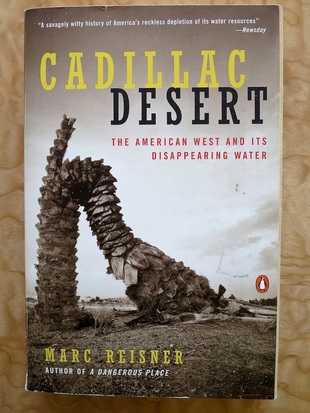
Cadillac Desert: The American West and Its Disappearing Water

4/10/2015

0 Comments

 
Picture
Is the drought in California a surprise to you? It would not be if you had read Cadillac Desert, by Marc Reisner. Way back in 1986, Reisner published this eloquent and well-researched expose on the history of water and the west.

From the back cover:
"The story of the American West is the story of a relentless quest for a precious resource: water. It is a tale of rivers diverted and dammed, of political corruption and intrigue, of billion-dollar battles over water rights, of ecologic and economic disaster."

This book should be required reading for EVERYONE, and if you know someone living in California, you should consider sending them a copy too.
Be sure to watch the 1996 Cadillac Desert four-part TV series, which includes interviews with Reisner, farmers from Owen's Lake, and Mulholland's granddaughter, as well as historical and vintage photos of the desert and mountains at the turn of the century.
Picture
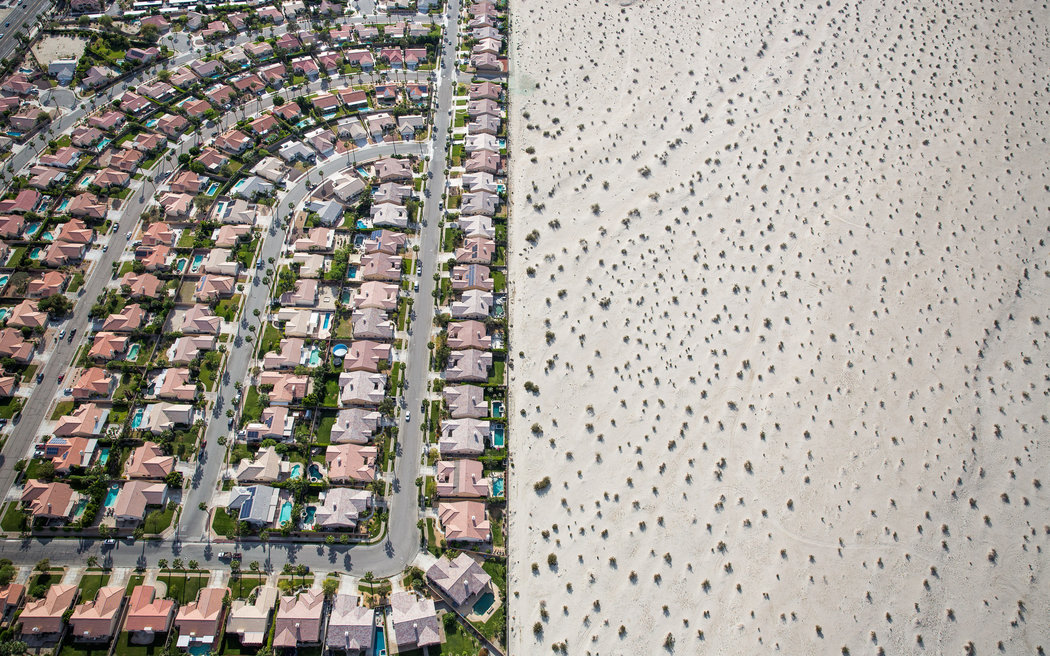
                                                         Cathedral City near Palm Springs  ©Damon Winter
Last week, the New York Times ran a series of articles on the drought and the dire situation that the Golden State is in.  I found it odd that the issue of where L.A.'s water comes from was never addressed. Mayor Garrett of Los Angeles, remarked "Do we have enough water to sustain life? Absolutely. Do we have enough water to grow economically? Absolutely." Perhaps Mayor Garrett should find more knowledgeable advisers–for the truth is that L.A. has been piping water in, from hundreds of miles away, for over a century. This "drought" is not a matter of climate change or seasonal weather, but nature refusing to cooperate with the sham any longer.

Unsustainable & Unconscionable
: California is definitely living on borrowed time (and water); in addition to draining rivers and lakes from all over the west, they have been pumping groundwater at a tremendous rate, which is NEVER a good idea. Interestingly, California is the only state which does not regulate the use of groundwater, though they are starting to think about it. (Uh-huh.) This seems long overdue when people in East Porterville, CA have dry wells and are subsisting on bottled water.
Considering that one-quarter of our nation's food is grown in California, the repercussions of a century's worth of rampant unsustainable use of water will be felt far beyond its borders.
It is time to start growing your own veggies and attending local Farmer's Markets!

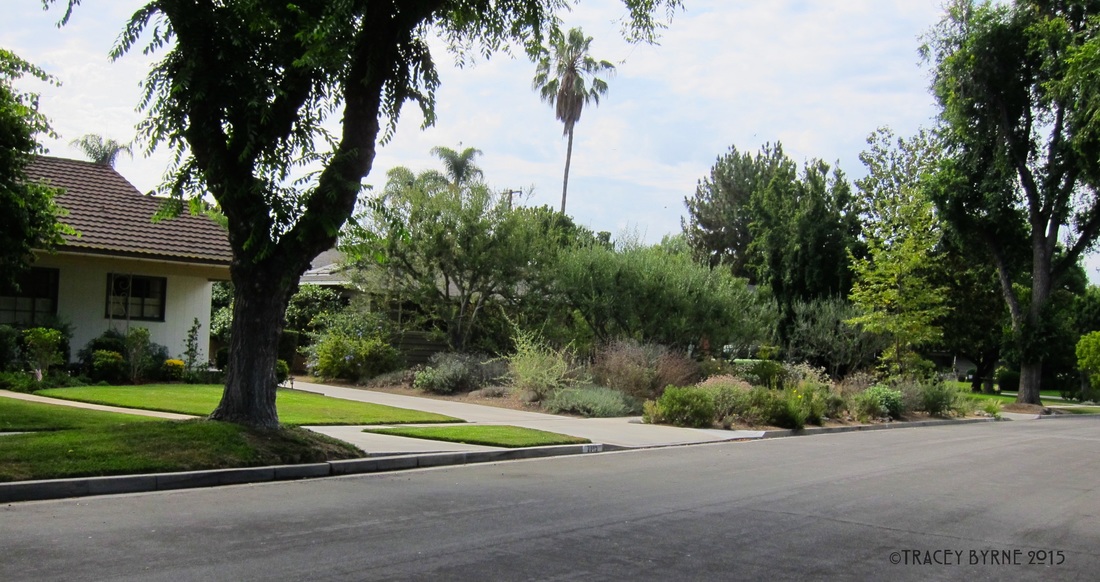
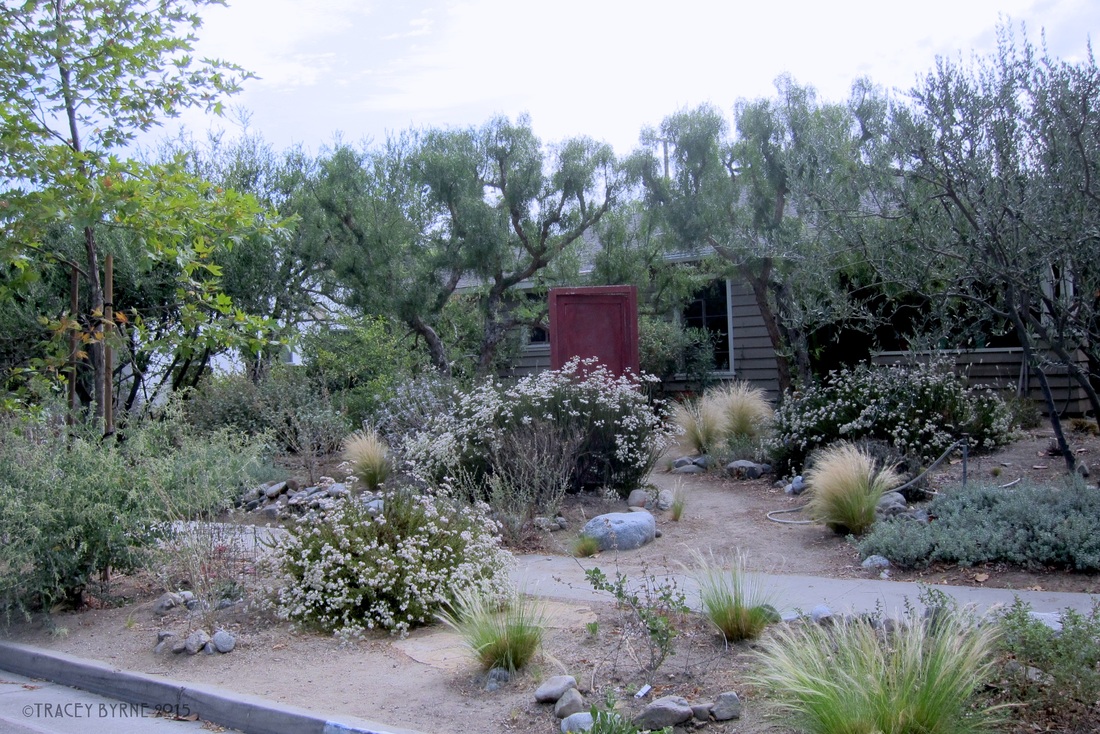
In our last visit to Orange County, I was heartened to see that homeowners were beginning to replant their front yards with native plants instead of turfgrass. The native yards were dizzy with birds, bees, and lizards. No surprise-we did not see any living things in the grassy lawn next door.
Picture
Picture
0 Comments

A Sting in the Tail & #savethebees

4/4/2015

0 Comments

 
Picture
Picture
Picture
GOOD READS & good deeds
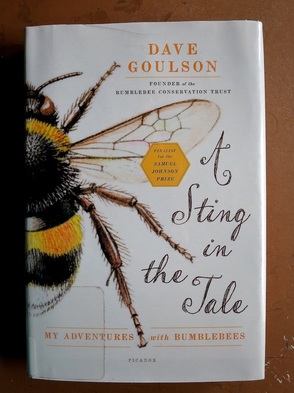
I just finished reading A Sting in the Tale-My Adventures with Bumblebees by Dave Goulson, and I highly recommend this book. Goulson writes a memoir that is filled with the wonders and discoveries of a curious child in rural England who morphs into one of the world's leading experts on bumblebees. In an engaging Bill Brysonesque style, Goulson describes both the effects of monoculture and habitat fragmentation on native bees, as well as the consequences of introduced/invasive species into an ecosystem.

Dave Goulson is also the founder of Bumblebee Conservation Trust which is a treasure-trove of information, guides, images, and advice (though the focus is on UK bumblebees). Goulson's recent reanalysis of a study on the effects of neonicitinoids, used by the UK's Food and Environment Research Agency, showed that neonicitinoid pesticides in fact ARE threatening bees worldwide. The agency had previously drawn a conclusion that was completely contrary to the results of the study :^(

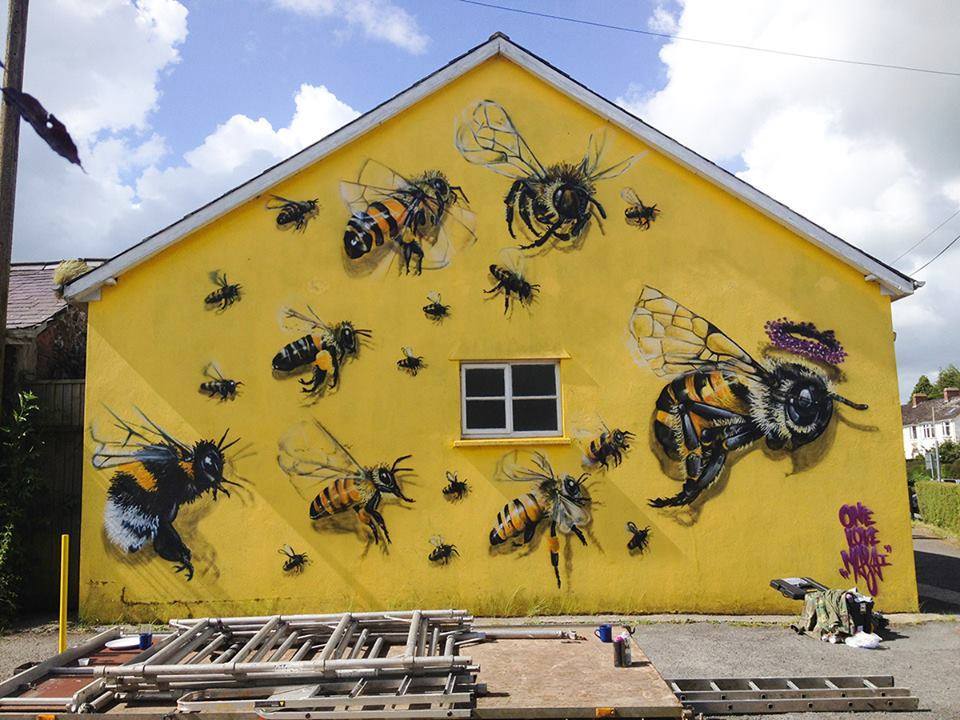
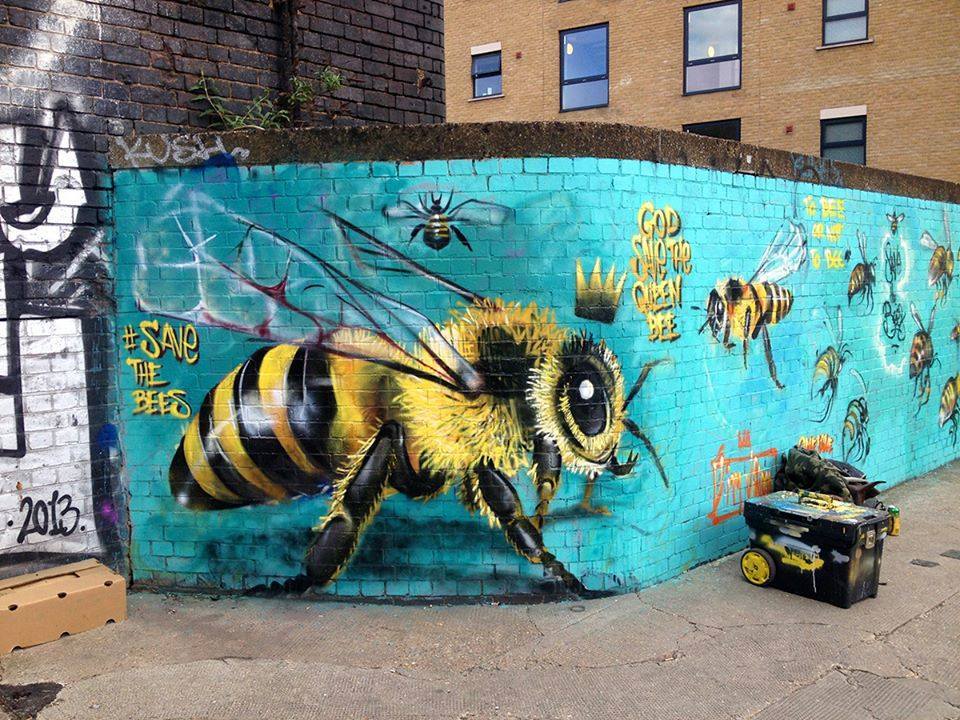
Street artists from London are working to bring awareness to the plight of the bumblebee and honeybee, and have painted murals in London, Croatia, New York, Miami, and New Orleans.
Hey Seattle–we should do this too! #savethebees
0 Comments

Little Things Matter

2/9/2015

0 Comments

 
Picture
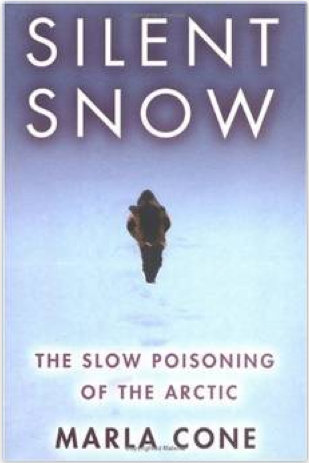
Did you know that the animals and people of the Arctic carry more mercury and PCBs in their bodies than any other living beings on earth? Investigative report Silent Snow by Marla Cone.
This video, by the Canadian Environmental Health Atlas, was recently posted by the Pesticide Action Network. Three types of environmental contaminants, that have been linked to falling IQs and that have been found in the bodies of the U.S. population, are discussed.

One of the three is a group of commonly used pesticides known as organophosphates (OP), the second group includes flame retardants PBDEs, and the last toxin is lead, a known nerve poison. These chemicals wreak havoc in human bodies–even in minute amounts, and the combined effects of these poisons impact developing brains. 

More Bad News: not only are we poisoning ourselves and our children, but "tons of dangerous chemicals and pesticides from the United States, Europe, and Asia are carried to the Arctic by northbound winds and waves. As a result, Inuit women who eat seal and whale meat have far higher concentrations of PCBs and mercury in their breast milk than women who live in the most industrialized areas of the world."
0 Comments

Bumble Bees of North America

1/17/2015

0 Comments

 
Picture
Picture
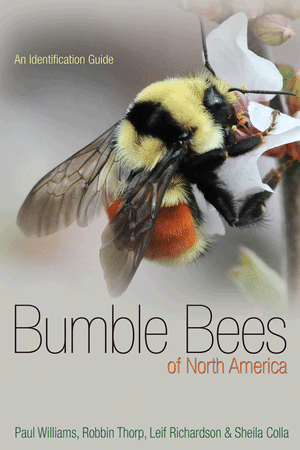
    When I first began keeping bees (almost ten years ago)  I also began taking more notice of the diversity of native bees that visited our yard, especially the extremely photogenic bombus. What was frustrating is that it was very difficult to ID the bees, and there was no North American guide to bumblebees available.
    Xerces society offers handy pocket ID charts as well as these information packed guides for Western and Eastern United States (free pdf downloads).
   News Flash: Princeton Press just released the first comprehensive guide to all 46 North American bumble bees. It's jam-packed with color photos (of live bees too! not just bees on pins), color pattern variation diagrams, distribution maps, taxonomy, and latest molecular research. The introduction includes photos of insects who mimic bumble bees, habitat and foraging facts, and how to use the guide.
   Bumble Bees of North America is a wonderful resource for all backyard beepeekers and gardeners.

Picture
0 Comments

Cross-pollination

1/9/2014

1 Comment

 
Picture
100 Days of Honey: 
Elizabeth Gowing, a beekeeper currently residing in the UK, included our Seattle honey in her 100 days of honey-tasting blog and adventure. She enjoyed our urban cut-comb honey and stated that "
Eating honey from the comb is a different experience from eating strained honey...And it tastes fabulous. The nose is of stone fruits – plum or apricot, with a sting of citrus. The taste is more berries – ripe blackberries or cherries."

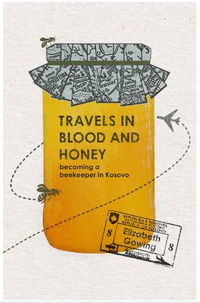
Elizabeth Gowing is also the author Travels in Blood and Honey which chronicles her adventures in beekeeping while living in Kosovo.

 Ju bëftë mirë!


1 Comment
<<Previous
Forward>>

    RSS Feed

    Author

    Tracey Byrne~

    I taught K-12 students from north of the Arctic Circle to the Puget Sound Ecoregion, garnering  40 years of experience as a classroom teacher, learning mentor, and private tutor. 

    I spent most of the 1980s and 90s in Alaska flying airplanes, floating wild rivers, winter camping, teaching, parenting, and living off the grid. 

    Here in Seattle, I am an advocate for environmental stewardship, place-based education, and outdoor play. I share my enthusiasm for birds, bugs, and backyards and have been a featured writer and photographer for Pacific Horticulture. 
    ​

    All photographs © T. Byrne unless otherwise noted.

    Picture
    Professional Reader

    Categories

    All
    Adventuring
    Amphibians
    Artists
    Beekeeping
    Biophilia
    Birds
    Bumblebees
    Citizen Science
    Cool Bugs
    Environmental Issues
    Flow Hive
    Fungi
    Gardening
    GMO
    Good Reads
    Guest Post
    Honeybee
    Infographic
    Organics
    Pesticides
    Pollinator
    Sky Matters
    Why
    Youtube Videos


    Archives

    July 2026
    June 2026
    March 2026
    December 2025
    November 2025
    October 2025
    September 2025
    August 2025
    July 2025
    June 2025
    April 2025
    November 2024
    June 2024
    April 2024
    February 2024
    December 2023
    November 2023
    September 2023
    June 2023
    April 2023
    March 2023
    January 2023
    December 2022
    October 2022
    August 2022
    July 2022
    April 2022
    March 2022
    February 2022
    January 2022
    December 2021
    September 2021
    May 2021
    April 2021
    March 2021
    February 2021
    December 2020
    November 2020
    October 2020
    September 2020
    August 2020
    June 2020
    May 2020
    April 2020
    February 2020
    January 2020
    December 2019
    October 2019
    September 2019
    July 2019
    June 2019
    May 2019
    April 2019
    February 2019
    January 2019
    December 2018
    November 2018
    October 2018
    September 2018
    August 2018
    July 2018
    June 2018
    May 2018
    April 2018
    March 2018
    February 2018
    January 2018
    December 2017
    November 2017
    October 2017
    September 2017
    August 2017
    July 2017
    June 2017
    May 2017
    April 2017
    March 2017
    February 2017
    January 2017
    December 2016
    September 2016
    August 2016
    July 2016
    June 2016
    May 2016
    April 2016
    March 2016
    February 2016
    January 2016
    December 2015
    November 2015
    October 2015
    September 2015
    August 2015
    July 2015
    June 2015
    May 2015
    April 2015
    March 2015
    February 2015
    January 2015
    December 2014
    November 2014
    October 2014
    September 2014
    August 2014
    July 2014
    June 2014
    May 2014
    April 2014
    March 2014
    February 2014
    January 2014
    December 2013
    November 2013
    October 2013
    August 2013