BeePeeking
  • Blog
  • Portfolio
  • Biodiversity
  • Biophilia
  • Go Organic
  • About
  • Vision
  • Resources

Nymphs, Instars, and metamorphosis

6/19/2019

2 Comments

 
Picture
Picture
Mystery bug #1                                                               Mystery Bug #2

What's that bug?

Have you ever found a cool bug in your backyard, tried to I.D. it, and been frustrated because you could not find it in any of your field guides, in a google image search, or even in BugGuide.net?

Do not despair, as you are not alone! As you may know, insects are the most numerous animal life form on the planet, comprising about 85% of terrestrial animals. Not only that, insects come in all shapes and sizes, and do magic called metamorphosis after being nymphs or molting their hard exoskeletons as they move through instars on their way to sexual maturity.

"Arthropods are a highly-successful group of invertebrate animals that includes insects, centipedes, millipedes, spiders, mites, horseshoe crabs, scorpions, and crustaceans. In terms of species diversity, arthropods are second to none. That there are in excess of one million arthropods species that have been identified by scientists and there are estimated to be many millions that have not yet been identified. Scientists estimate there may be a staggering 30 million species of arthropods alive today, the vast majority of which are insects."

The insect world is currently divided into 32 orders. The largest order, the beetles (Coleoptera), contains more than 370,000 species. Other major orders are moths and butterflies (Lepidoptera, 150,000 species), bees, wasps, and ants (Hymenoptera, 120,000 species), flies (Diptera, 100,000 species), and bugs (Hemiptera, 80,000 species).

To make mystery bug I.D. even harder, remember that all insects go through metamorphosis-which means that most of them look completely different from adults when they are in their immature stages as larvae and instars-making it quite a puzzle to identify them, since field guides and websites often only show images of the adult stages of many insects.
Picture
For example, take mystery bug #1, found by my friend Lorene in her West Seattle garden:
after three fails (which included an image search, googling "green ladybug",  and BugGuide.net), I  googled "Seattle pest insects" and found a P-Patch reference document from the Seattle Dept. of Neighborhoods, that told me all about the invasive Green Stinkbug, which were first reported in Seattle in 2014.
Bingo! Lorene's bug turned out to be the 5th instar stage of the Southern Green Stinkbug Nezara Viridula. She found this insect alongside lots of little tiny black bugs (2nd/3rd instar) on a Dalia leaf, never before seen in her garden.


Mystery bug #2 is the larva stage of the Ladybug Coccinellidae. The first time I found baby ladybugs in my yard, I was pretty sure that I had discovered a new species of insect. Who knew?

Insects can go through complete or incomplete metamorphosis. Nymphs are tinier versions of the adults, and instars and larvae can look very different from the adult (think caterpillar/butterfly).

To see more examples of insects and their cycles, visit Mr.Science.

Picture
Picture

Pipevine Swallowtail (Battus Philenor) life cycle stages
The thing to remember, when taking care of your backyard, is that often times immature stages of beneficial insects look very different from the adults. Be sure to be gentle when you are weeding and tidying up your garden for the winter, as many caterpillars overwinter in the grasses, leaves, shrubs, and woodpiles. These are your butterfly nurseries. If you do find a "pest" insect, such as the Green Stinkbug, please contact the Garden Hotline:  [email protected] or call 206-633-0224.
2 Comments

What Is A Weed Anyway?

5/11/2019

0 Comments


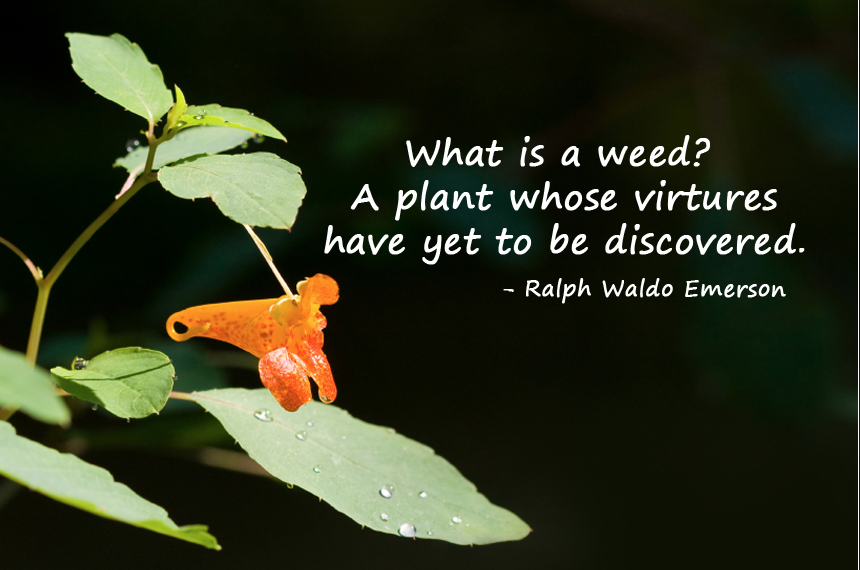
A Weed is but an Unloved Flower
​-Ella Wheeler Wilcox-

Every morning for the month of May, Grow Wild is sending me a sweet botanical illustration 
of a common weed along with articles regarding our ever-changing relationship with these remarkable (and mostly unappreciated) species of the plant world. 
Sign up here to receive your own stunning botanical illustrations plus links to weed-related topics such as: weeds in literature and history, weeds as food security, why weeds matter to pollinators, and perhaps most importantly: what weeds mean to gardeners.

June update: all weedy blog posts can be found here: https://www.growwilduk.com/wildflowers/learn-about-wildflowers/what-weed-anyway/can-weeds-be-beautiful
Picture
Picture
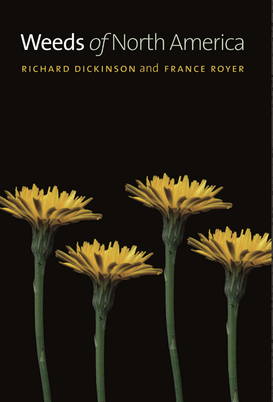
If you'd like to delve a bit deeper, check out Weeds of North America by University of Chicago Press. "Dickinson and Royer provide much-needed background on these intrusive organisms. In the battle with weeds, knowledge truly is power. Weeds of North America is the perfect tool for gardeners, as well as anyone working in the business of weed ecology and control."
This encyclopedic 656-page tome is available here as a paperback or kindle...
​(and it will certainly keep me from weeding my front slope of dandelions for another week or two!)   
0 Comments

end-of-summer food Fun + Bird Mural

9/22/2018

0 Comments

 
0 Comments

Summer Foraging: backyard and Farmers' Market

7/21/2018

0 Comments

 
Picture
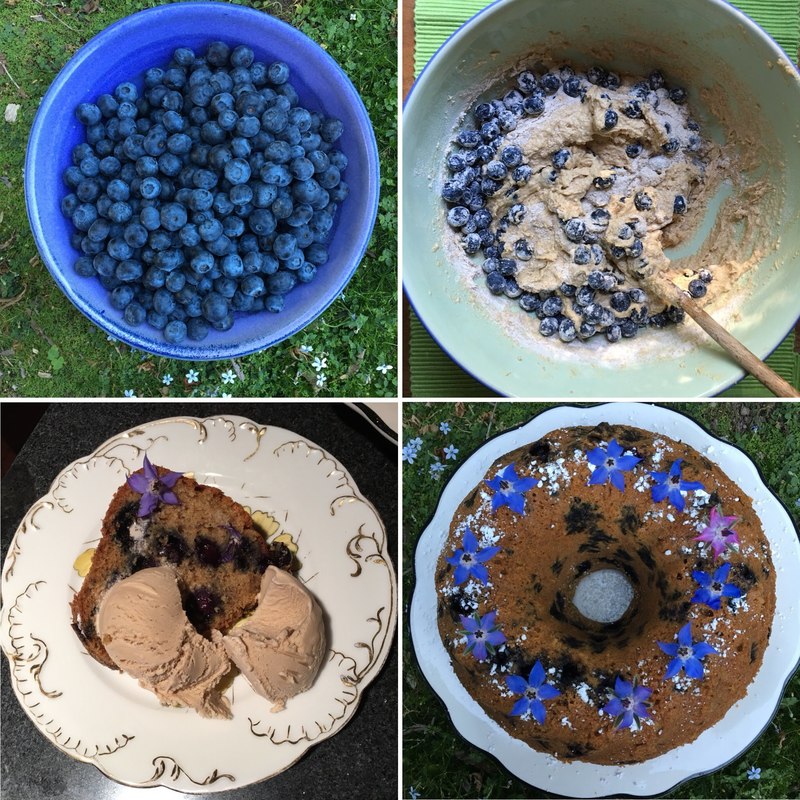
Blueberry Borage coffee cake with coffee ice cream
Picture
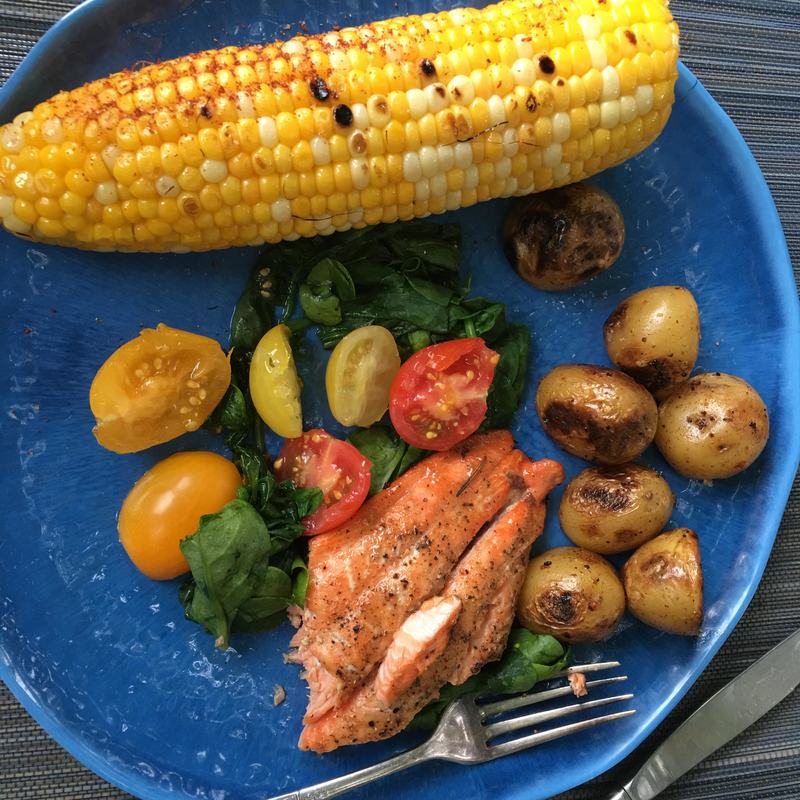
Farmers' Market veggies with fresh-caught salmon
Picture
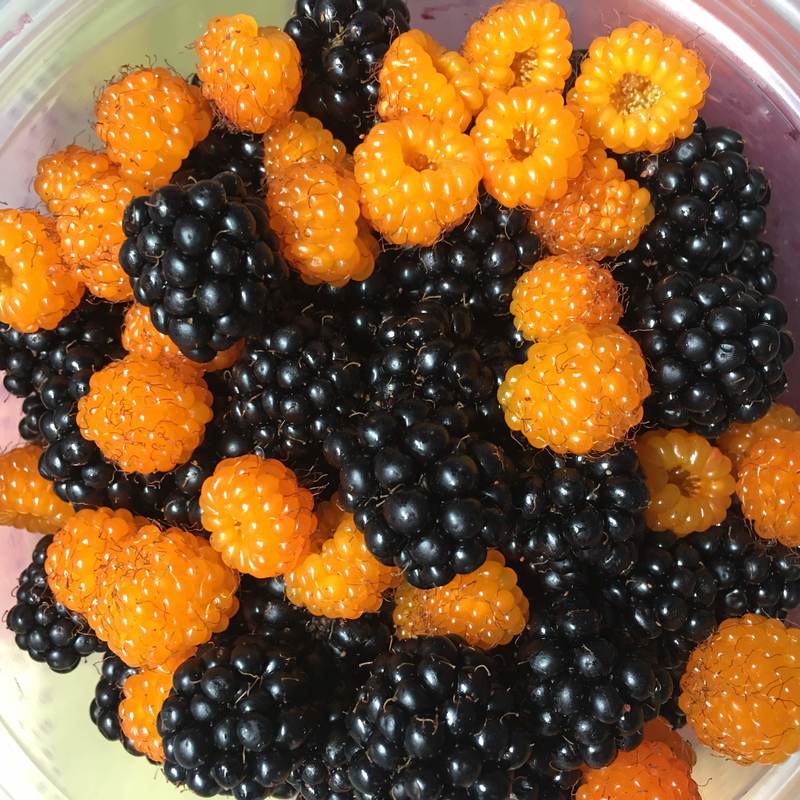
Back-alley blackberries and parking strip golden raspberries
Picture
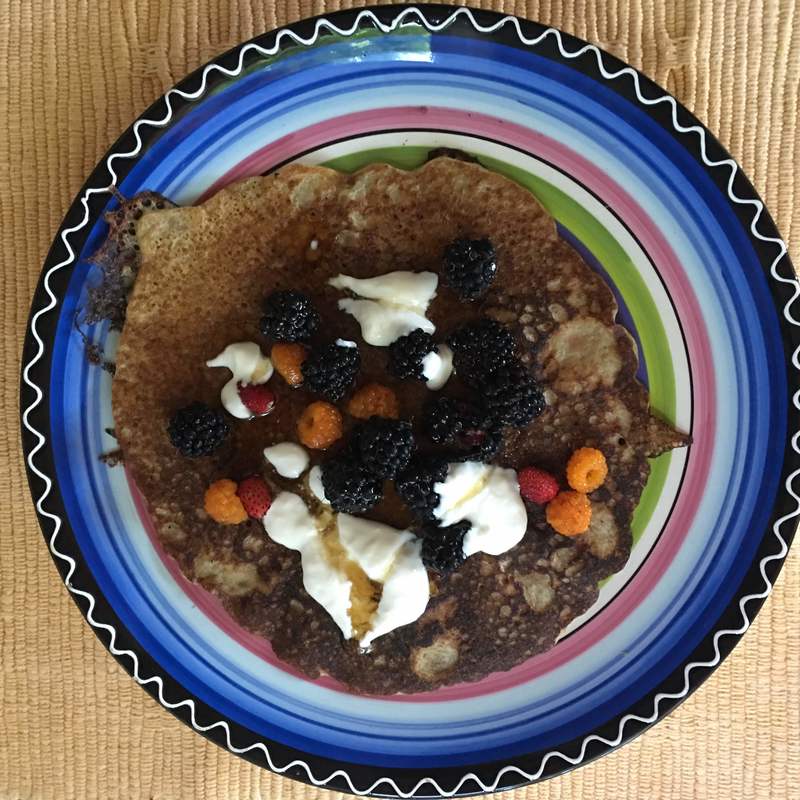
Rye-sourdough pancakes with kefir cream and berries
0 Comments

Summer Solstice Garden tour=White Flowers

6/24/2018

0 Comments

 
It's funny, if you asked me what the main colors were in our backyard garden, I would describe to you the borage, peppermint, and lavender purples, the California poppy oranges (and pink), and brilliant red clover...but, after tidying up the yard yesterday, I noticed that there were SO many white flowers everywhere! Some of them are really tiny, like the yarrow, cilantro, and buckwheat, but others are just lovely anomalies; I absolutely adore the white California poppies and the elegant white foxglove!

I know that I should probably name all these sweet blooms for you, but it is SUNNY outside, so I must get back out and soak up that Vitamin D while I can.

Enjoy the tour!


0 Comments

Woolly Bears need Leaves Too

10/20/2017

0 Comments

 
Picture
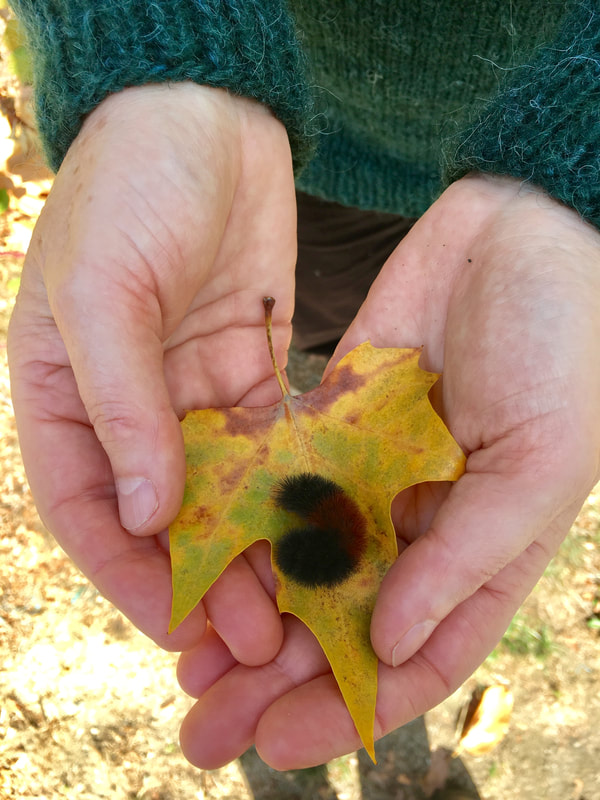
This Woolly Bear caterpillar was high speed cruising across our path at Seward Park last week. I LOVE Woolly Bears, but I do not see them very often, and I wondered why. I did a little research and found out that if you google them, you will get a lot of information on whether or not you can accurately predict the severity of the upcoming winter by the width of their colored bands =Nope :^) 

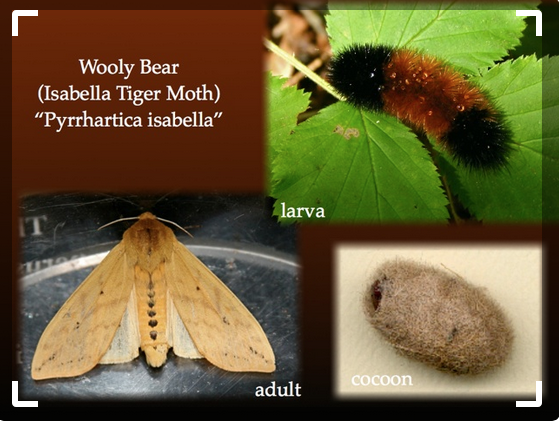
I also found out that the Banded Woolly Bear can travel up to a mile a day looking for a protected place to spend the winter and that they like to burrow under piles of leaves. It turns out that a Woolly Bear needs the cold to complete its metamorphosis; that is, they almost freeze solid and when spring arrives they thaw out, eat some greens, and then spin a cocoon (that looks a bit like a cat hairball), before transforming into its adult form as a Tiger Moth. The Tiger Moth has only one task to complete in its two-week life: find a mate and lay eggs. They do not even have mouth parts, so need waste no time looking for food.
Picture
Does the Woolly Bear hibernate like its mammalian namesake? I dug a little deeper ...
Infinite Spider explains: "For a long time scientists weren't sure if the woolly bear caterpillar used a strategy of diapause (insect equivalent of hibernation) or quiescence to survive winter. Scientists from the University of Pennsylvania did some studies of different caterpillars collected in fall and winter and then compared their development and metabolic rates. They found that the woolly bear caterpillar goes into quiescence, hiding under leaf litter and literally going dormant until conditions change. They could wake easily if it got nice outside, unlike their diapausing cousins."

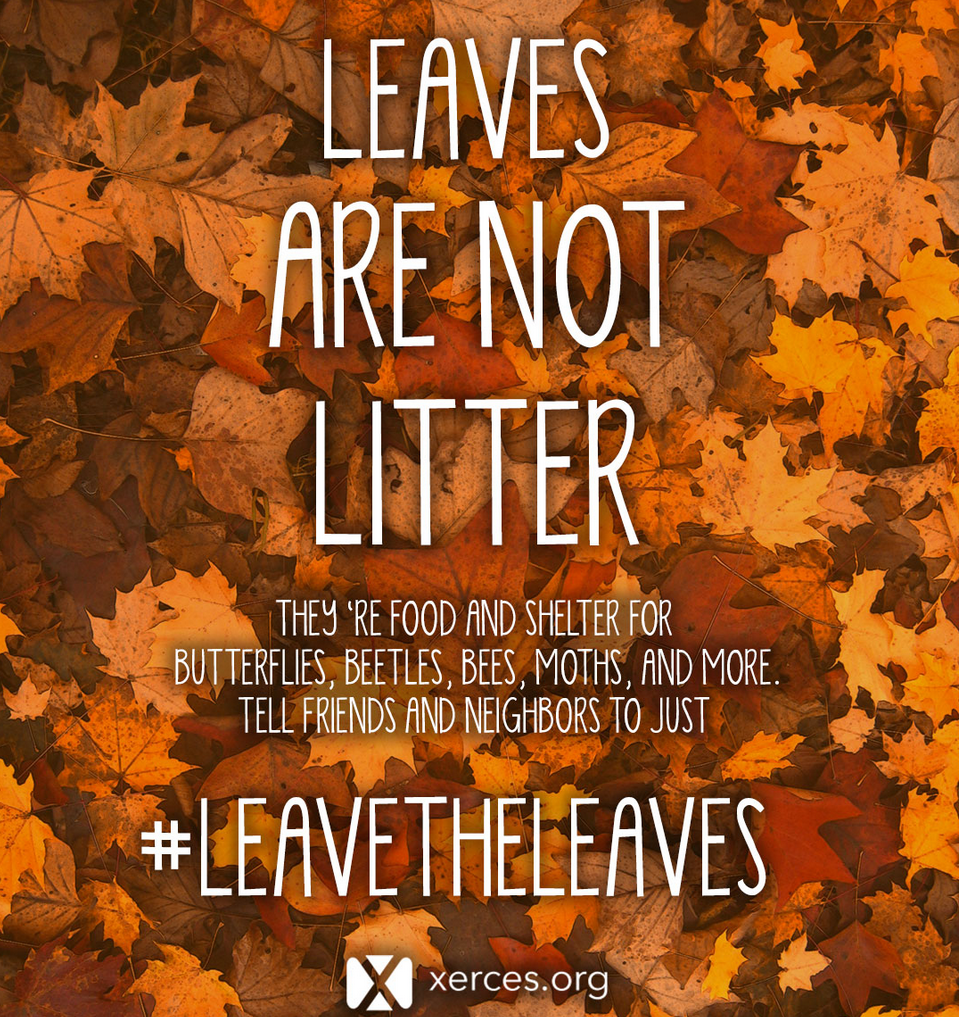
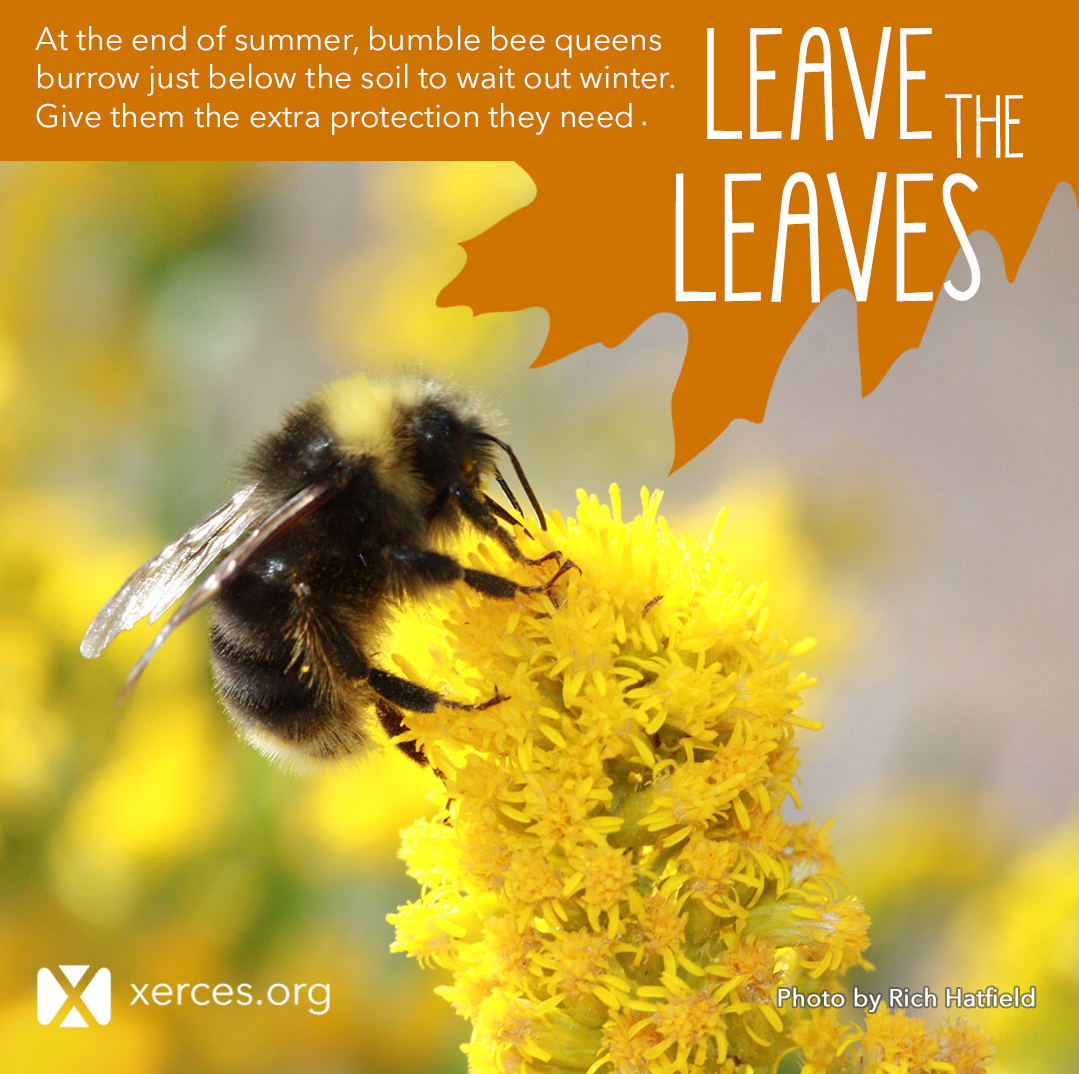
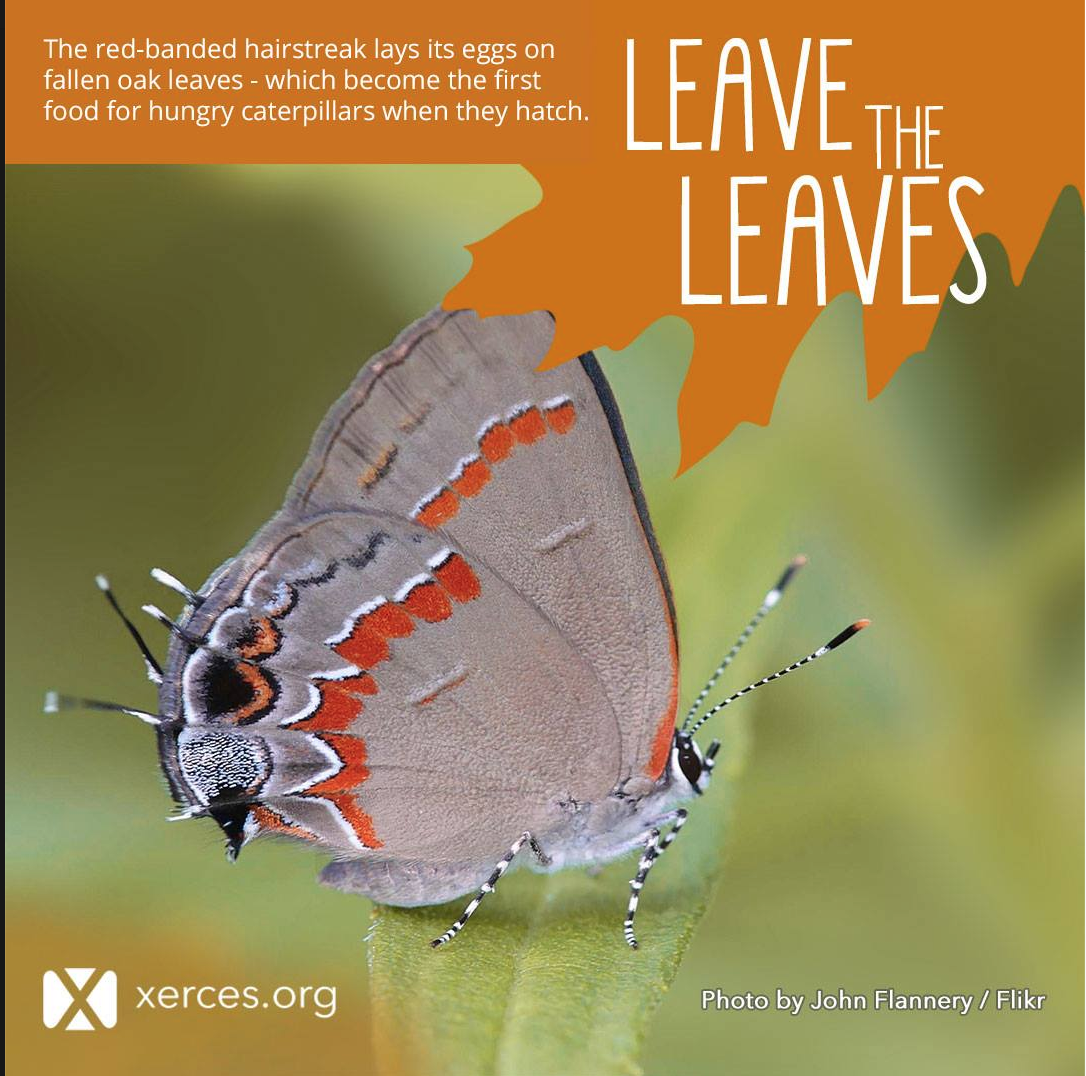
 Xerces Society has created a slew of cute #LEAVETHELEAVES graphics to encourage folks to enjoy the benefits of leaf litter. Cheers for mulch and overwintering sites for our insect friends!
Picture
Picture
Picture
0 Comments

Pollinator Parkways of Portland

10/9/2017

 
Picture

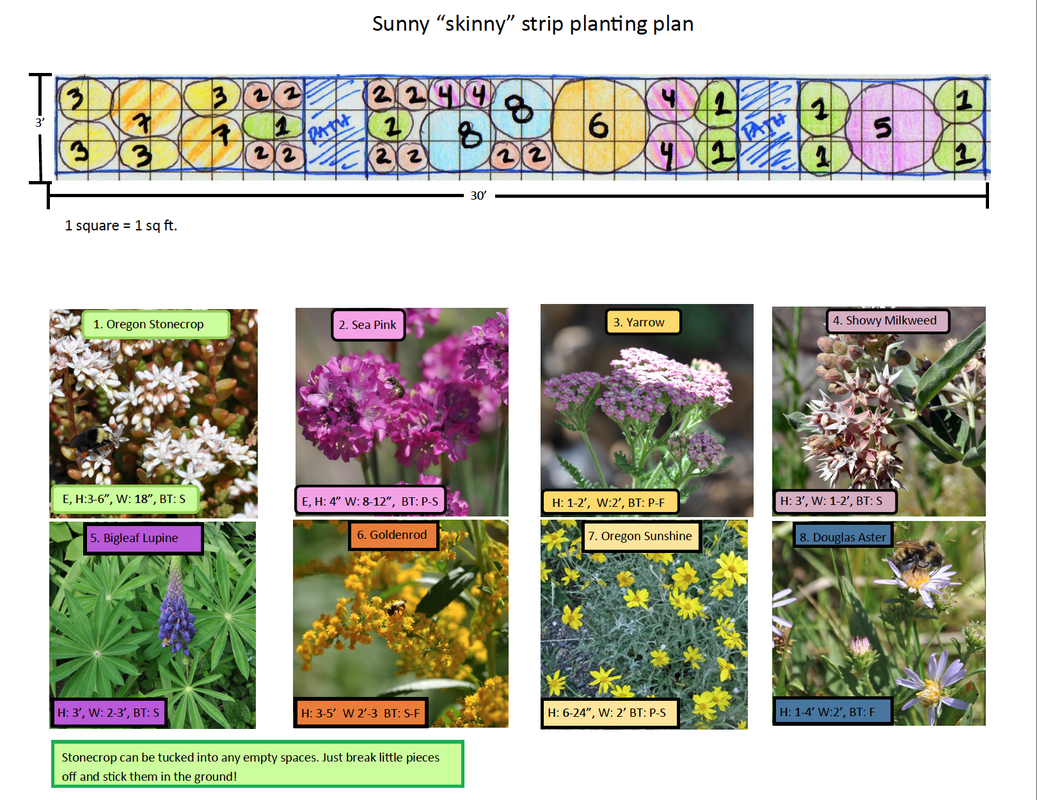
This is a big shout-out to Sherrie Pelsma, the face behind Portland's Pollinator Parkways (also seen on my Biodiversity page). Sherrie has created a Do-it-Yourself Manual for home-owners who would like to "Flip their Strip", i.e. convert their turf-grass parking strip into a pollinator habitat. This is an excellent resource that will guide you through all the steps of transforming your "hell-strip". The manual is packed with clear instructions, shady/sunny plant lists and planting guides, and photos. You can also follow Pollinator Parkways on Facebook for updates and to share your photos. I have included Sherrie's manual as a pdf download. Have fun with your strip!
Picture
Picture
Pollinator Parkways has created over 6000 square feet of pollinator habitat. Thank you Sherrie, for your community spirit and inspiration!

Pollinator Parkway's Do-it-Yourself Manual:
parking_strip_manual.pdf
File Size: 10427 kb
File Type: pdf
Download File

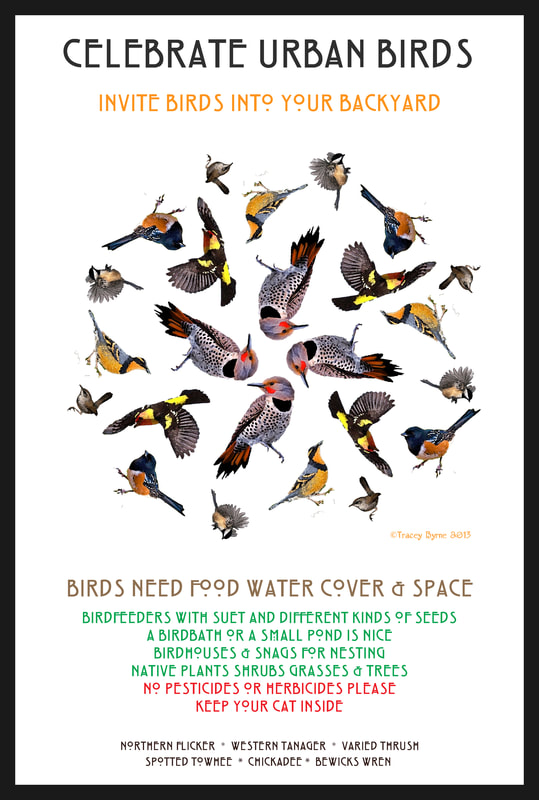
Invite Birds into Your Backyard

10/5/2017

0 Comments

 
Picture
It's October, and that means it is time to get your backyard ready for winter here in the NW.
I am attaching a pdf of my Urban Birds mandala for you to print and enjoy.
Shine on Harvest Moon!
byrnebirdposter.pdf
File Size: 4519 kb
File Type: pdf
Download File

0 Comments

Autumn feasting on Tiny Flowers

9/15/2017

0 Comments

 
Picture
Picture
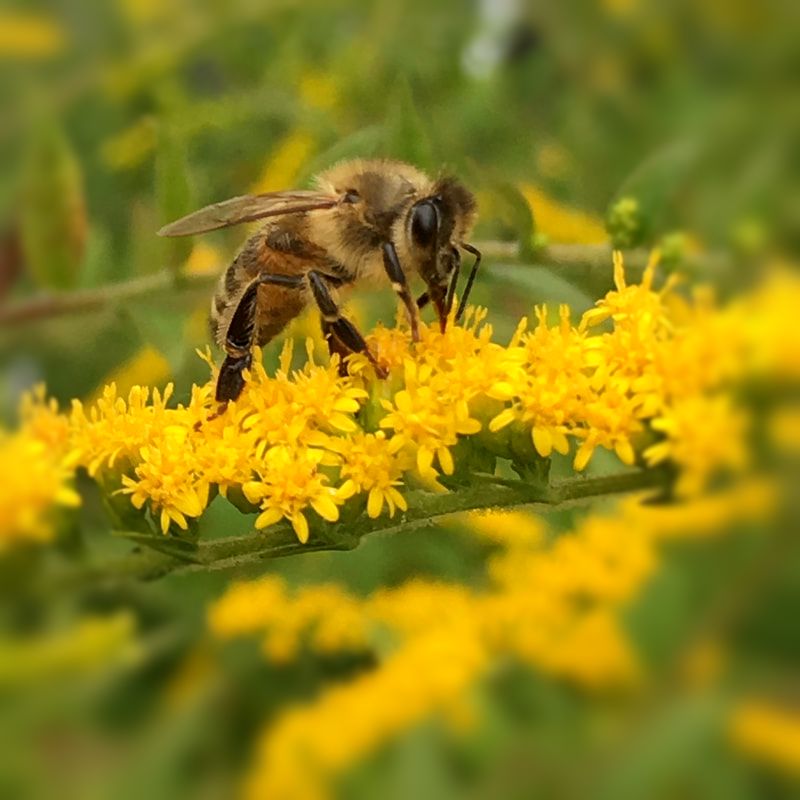
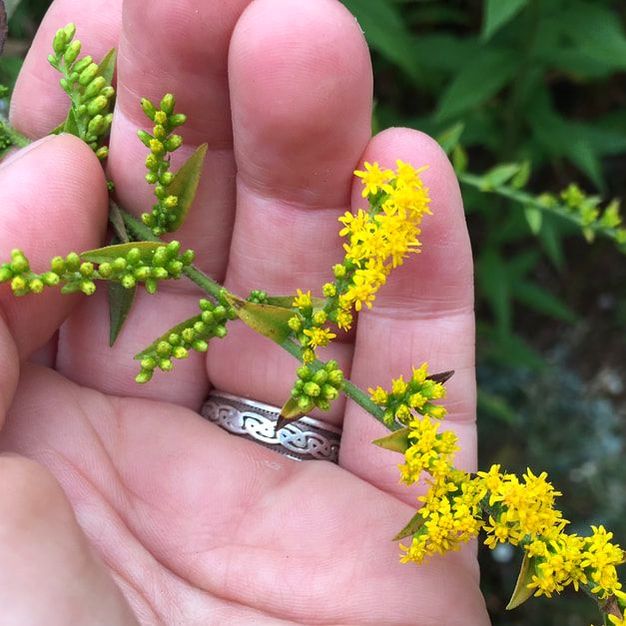
The tiny goldenrod blossoms are favorites of our honeybees as they prepare for winter (top).

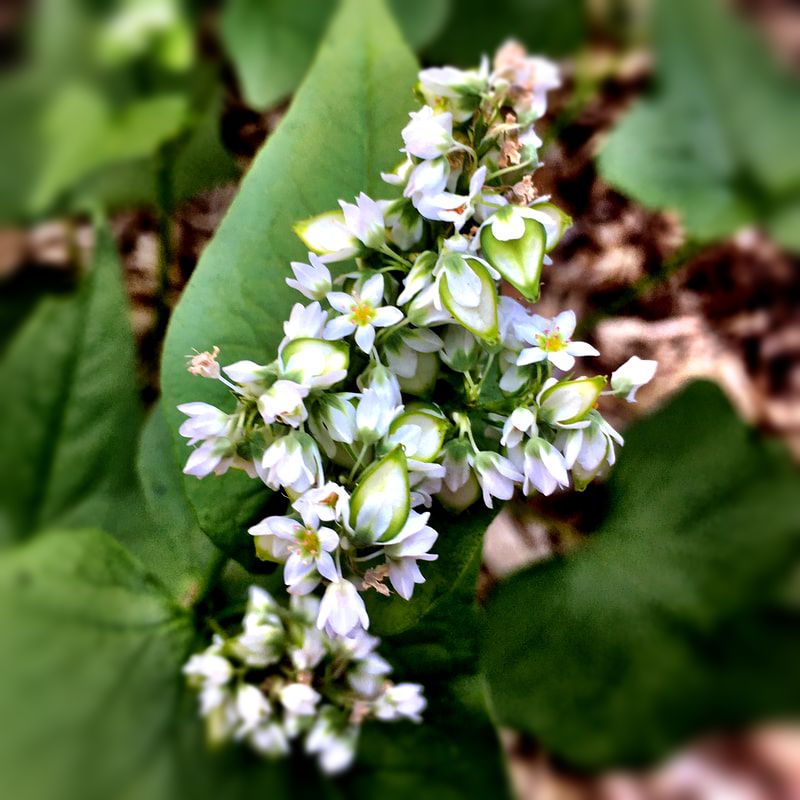
Below, the lovely buckwheat blossoms offer another autumn feast for the bees,
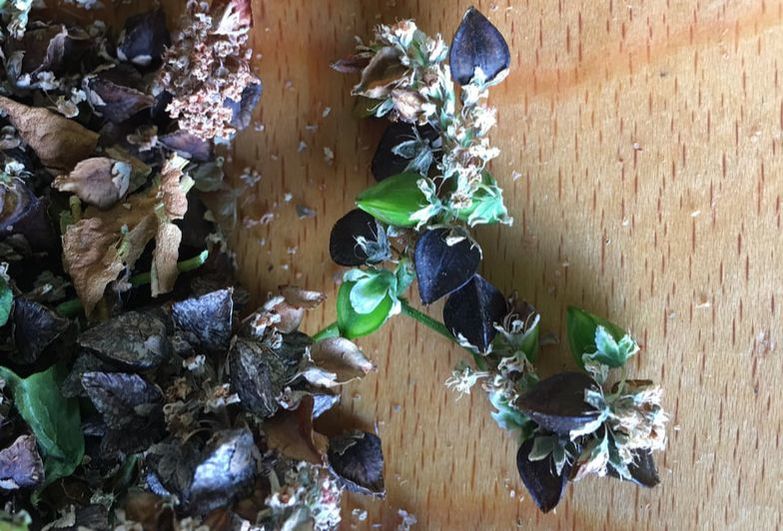
​and the buckwheat fruit seeds will make a nice addition to our porridge.
Picture
Picture
0 Comments

Is it Summer Yet?

6/9/2017

0 Comments

 
Picture
Picture
Picture
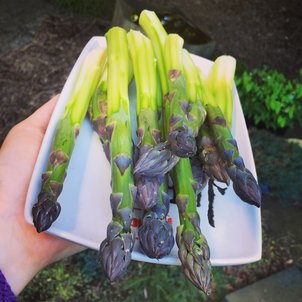
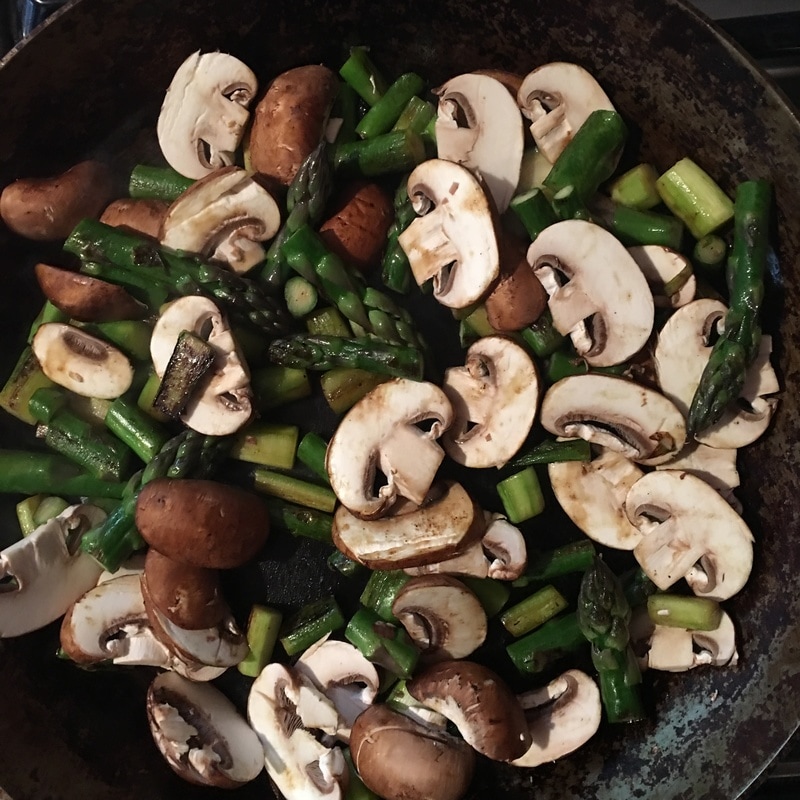
Six Weeks of Asparagus EVERYthing

Picture
Picture
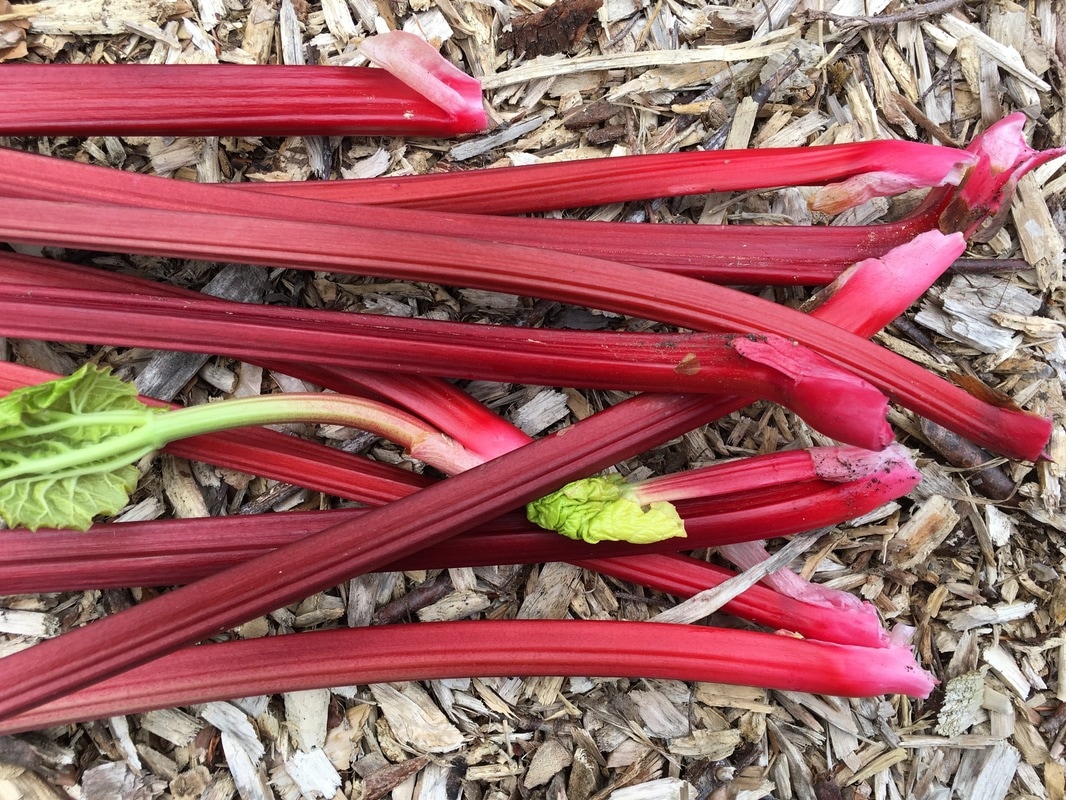
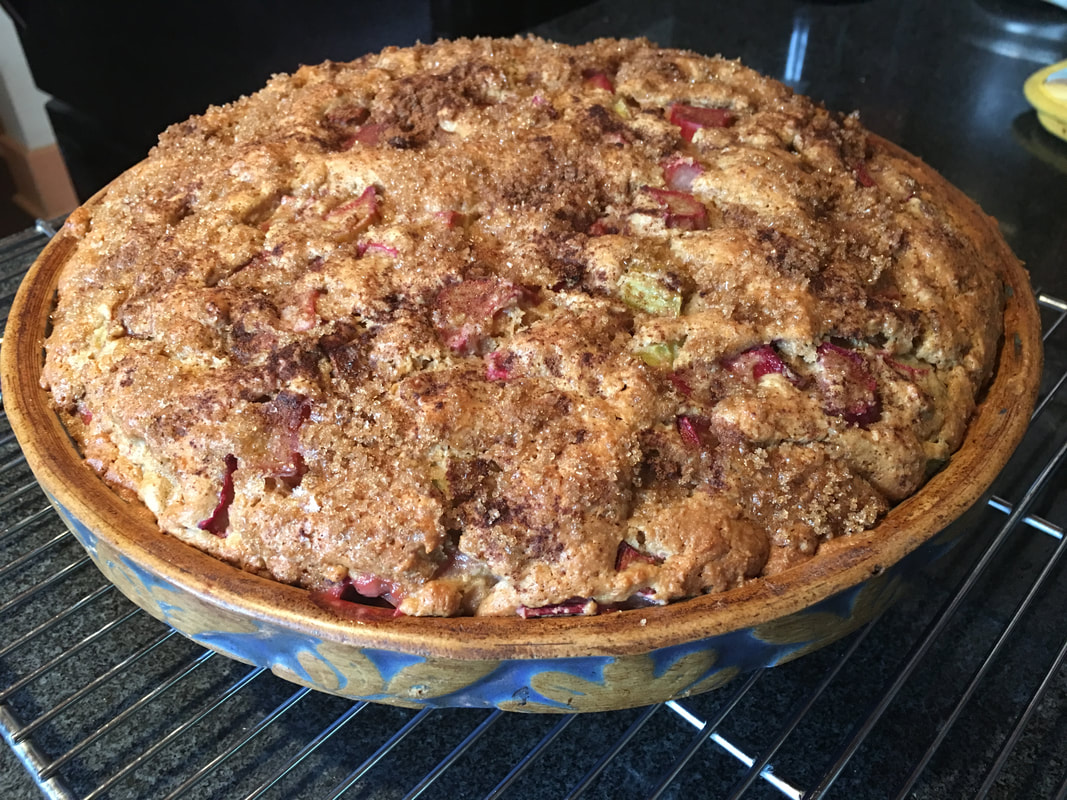
Rhubarb coffee cake

Picture
Picture
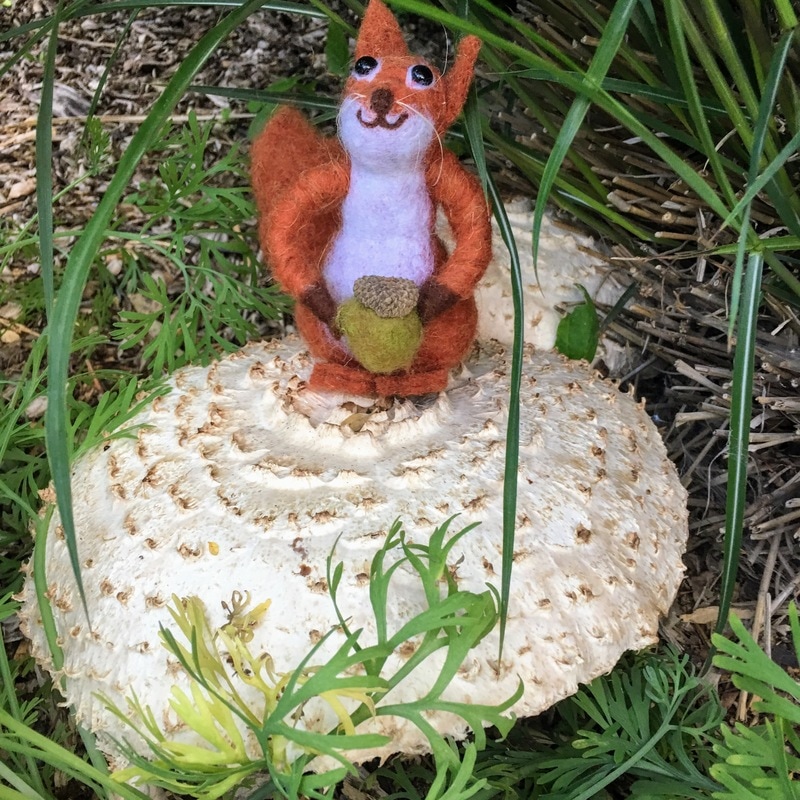
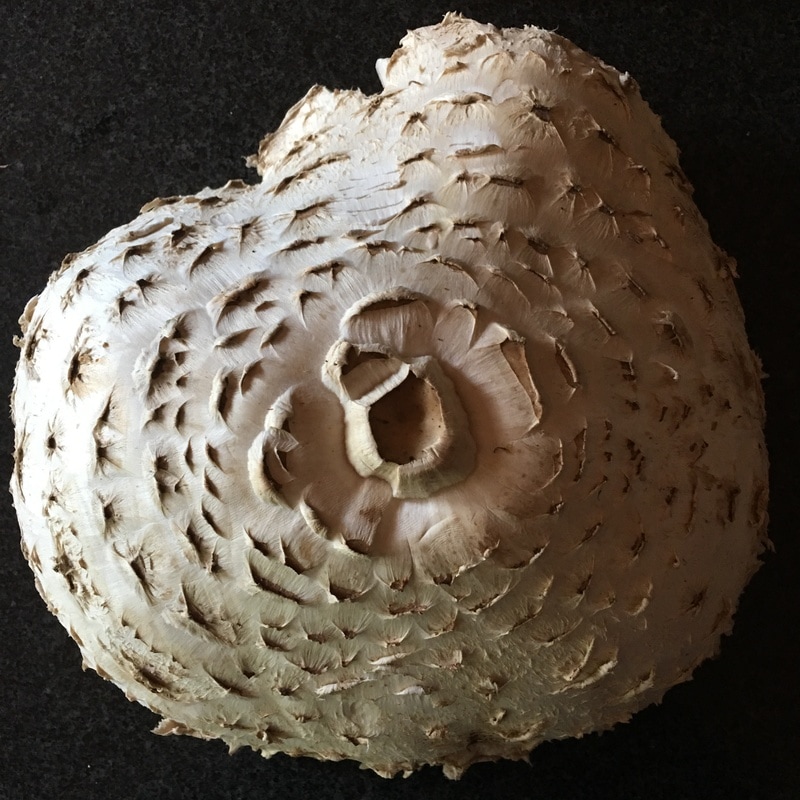
Frisbee-sized (and edible) Shaggy Parasol mushrooms
0 Comments
<<Previous
Forward>>

    RSS Feed

    Author

    Tracey Byrne~

    I taught K-12 students from north of the Arctic Circle to the Puget Sound Ecoregion, garnering  40 years of experience as a classroom teacher, learning mentor, and private tutor. 

    I spent most of the 1980s and 90s in Alaska flying airplanes, floating wild rivers, winter camping, teaching, parenting, and living off the grid. 

    Here in Seattle, I am an advocate for environmental stewardship, place-based education, and outdoor play. I share my enthusiasm for birds, bugs, and backyards and have been a featured writer and photographer for Pacific Horticulture. 
    ​

    All photographs © T. Byrne unless otherwise noted.

    Picture
    Professional Reader

    Categories

    All
    Adventuring
    Amphibians
    Artists
    Beekeeping
    Biophilia
    Birds
    Bumblebees
    Citizen Science
    Cool Bugs
    Environmental Issues
    Flow Hive
    Fungi
    Gardening
    GMO
    Good Reads
    Guest Post
    Honeybee
    Infographic
    Organics
    Pesticides
    Pollinator
    Sky Matters
    Why
    Youtube Videos


    Archives

    December 2025
    November 2025
    October 2025
    September 2025
    August 2025
    July 2025
    June 2025
    April 2025
    November 2024
    June 2024
    April 2024
    February 2024
    December 2023
    November 2023
    September 2023
    June 2023
    April 2023
    March 2023
    January 2023
    December 2022
    October 2022
    August 2022
    July 2022
    April 2022
    March 2022
    February 2022
    January 2022
    December 2021
    September 2021
    May 2021
    April 2021
    March 2021
    February 2021
    December 2020
    November 2020
    October 2020
    September 2020
    August 2020
    June 2020
    May 2020
    April 2020
    February 2020
    January 2020
    December 2019
    October 2019
    September 2019
    July 2019
    June 2019
    May 2019
    April 2019
    February 2019
    January 2019
    December 2018
    November 2018
    October 2018
    September 2018
    August 2018
    July 2018
    June 2018
    May 2018
    April 2018
    March 2018
    February 2018
    January 2018
    December 2017
    November 2017
    October 2017
    September 2017
    August 2017
    July 2017
    June 2017
    May 2017
    April 2017
    March 2017
    February 2017
    January 2017
    December 2016
    September 2016
    August 2016
    July 2016
    June 2016
    May 2016
    April 2016
    March 2016
    February 2016
    January 2016
    December 2015
    November 2015
    October 2015
    September 2015
    August 2015
    July 2015
    June 2015
    May 2015
    April 2015
    March 2015
    February 2015
    January 2015
    December 2014
    November 2014
    October 2014
    September 2014
    August 2014
    July 2014
    June 2014
    May 2014
    April 2014
    March 2014
    February 2014
    January 2014
    December 2013
    November 2013
    October 2013
    August 2013